Saying Nothing is an Option

The other night my partner and I went OUT ( I know!) to see the glorious Hannah Gadsby at the Brighton Dome. I am going to attempt to paraphrase something she said,

“There are some people who seem to be under the false impression that saying nothing isn’t an option.”

She was, of course, referring to the plethora of opinions and hot-takes on social media that have recently pivoted from matters Covid, to the current conflict in Ukraine.

Before I go any further, I should point out that, utterly bereft of any qualification to comment on the complex geopolitics of the region, my ‘opinion’ is that war – any war – is an appalling offense to our humanity.

Already the conspiracy theorists who were spouting nonsense about the pandemic have started doing the same outrageous mis/disinformation number on Ukraine.

Plus ça change.

But here’s the thing. And I am talking to myself really. Saying nothing really is an option. I am betraying my own assertion by writing this, of course, but this is more of an observation of the tension that I feel, the pressure of our social media landscape in feeling that I have to visibly, vocally, state a position on everything. As if saying something serves in the place of actually doing something, and assuages the social guilt and pressure of saying/doing/thinking the ‘right’ thing, or taking the ‘right’ side.

My grandfather wrote a poem about Remembrance Day, although the same sentiment can be applied here, he said,

…is not about remembering It is being seen remembering, which is not the same, especially when formality sets in, and ceremony rates the display more important than the remembering.

I am sure grandpa will not be too concerned at my segue from his words to words from the Bible. Atheist as he was, he was deeply spiritual and had several versions (and many other religious and philosophical texts) on his bookshelves. These words speak deeply and viscerally into the heart of what I am making my practice right now.

So when you give to the needy, do not announce it with trumpets […] But when you give to the needy, do not let your left hand know what your right hand is doing, so that your giving may be in secret. Then your Father, who sees what is done in secret, will reward you.

Matthew 6: 2-4

That bit about announcing it with trumpets always cracks me up, because they clearly had the same bullshit going on in first-century Palestine.

As I said Plus ça change.

This is not to discount the importance and power of sharing our collective pain. Seeking solace and comfort in community is deeply important, as is offering out those places of refuge and safety for those who are suffering. We each have our own expression of this, our ways of ‘doing something’. The point is, I suppose, that whatever we are doing, and however we are responding, it is not compulsory to tell everyone.

Saying nothing IS an option.
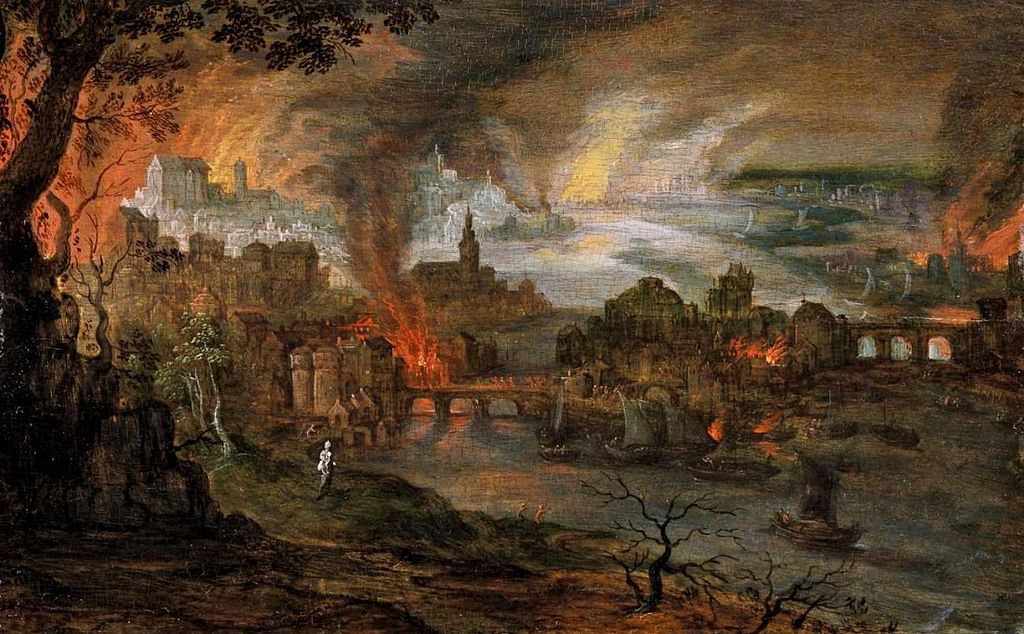
Themes Biblical, Compassion and Zero Tolerance

I am lying, awake, irritated by the sound of the neighbour’s central heating exhaust and worrisome thoughts about the ‘biosecurity’ of our ducks’ pen. (As if things weren’t bad enough, Avian Flu is on the march as well) I have been reading a book for my Theology course which tackles the morally ‘problematic’ texts of the Old Testament, the bits that seemingly advocate violence, rape, slavery, homophobia, genocide… One suggestion, and I suppose an accepted understanding, is that things are better than then. That we have somehow evolved to be more morally mature.

I am not so sure.

It’s not just central heating and ducks that are keeping me awake. The escalating rise of Covid infections; the health service (that I work for) on the brink of overwhelm; an attempted fascist coup in the United States; the many unfolding ramifications of the shit show that is Brexit, as well as all the other global atrocities, such as the ongoing crisis in Yemen. Plague, war, division, exile, genocide: these themes are – quite literally – Biblical. Not to mention misogyny, homophobia and racism, it’s all still there. Human beings have never really stopped inciting or exacerbating this crap.

Of course, it wasn’t God doing all those things in the Old Testament, it was human beings! God was the justification, or at least the way in which they made sense of it all. And it is human beings who continue to behave the most jaw-droppingly appalling ways. Sadly God is – for many of them – still the justification.

If God was the kind of God they seem to think God is (and I don’t believe in that God) I think God would be rather pissed off.

Violence done in the name of God is a common atheistic argument against religion. And I see the point. Except for all the ways in which religious people (many more than those who commit violence) promote peace, love and unity in the name or practice of their faith. Human beings also behave appallingly in the name of other things that are not religion. Violence is about people. As we are seeing in the USA at the moment, God has been invoked in ways that many people of faith find deeply disturbing and offensive. And it’s not OK.

I said today on a social media post that neutrality is no longer an option. I was talking about the unspoken but generally accepted rule that religious leaders should stay away from the subject of politics. Particularly those who preach. This is in the week following an insurrection in which people were visibly and prominently wearing and carrying emblems and insignia that glorify white supremacy, antisemitism and genocide. That isn’t politics, it’s immorality. And if there’s one thing that religious leaders are qualified to comment on, it’s morality. I have been heartened to see many taking a stand on this. Calling for more than unity, namely: action; accountability; and zero tolerance of the kind of bigotry and hatred that history has taught us does not end well for anyone.

In truth, the Bible has many more passages in its entirety that promote the themes of liberation and social justice, as well as love, hope, faith and unity, than the other more troublesome parts. Taken as a whole, it gives a lot of hope for humanity. Love and compassion are the overriding themes of most faiths, because, despite our worst behaviours, love and compassion are also the overriding instincts of human beings for one another. Hope is possible because we know this is what we are capable of, and what most of us actually want and value.

Love, Compassion, Unity, Hope. Yes, but does this mean tolerating fascists? Most definitely not.

“Our lives begin to end the day we become silent about things that matter.”

Dr. Martin Luther King Jnr.